Why Cross-Posting Tools Like Postiz and Hootsuite Aren't Enough to Grow Fast

Schedulers like Postiz and Hootsuite are great at distributing posts to the audience you already have. Fast growth needs new, real audiences — which is where genuine influencer marketing comes in.
The short answer: cross-posting tools like Postiz and Hootsuite are good at one job — publishing the same message to all your channels on schedule. That job has a ceiling: they can only reach people who already follow you. A new product needs new, real people paying attention, and the fastest honest way to get that is influencer marketing — real creators recommending your product to followers who trust them. Buying likes, upvotes, or stars skips that step, and platforms catch it and delete it. Amplibee was built for the honest path: product owners create campaigns, real influencers turn them into posts people act on, and every result is measurable.
What cross-posting tools do well
Postiz, Hootsuite, Buffer and similar tools solve a real problem, and it's worth saying so. If you run five social accounts, writing and scheduling every post by hand eats your week. A scheduler gives you:
- One place to write and schedule posts for X, LinkedIn, Instagram, Facebook, YouTube and more.
- A consistent posting rhythm, so your channels don't go quiet during a busy launch week.
- Team workflows — drafts, approvals, and a shared content calendar.
- Basic analytics on how each post did on each channel.
For keeping an existing audience engaged, that's exactly what you want. The problem shows up when the goal changes from staying consistent to growing quickly.
The ceiling: you can only reach your own audience
A scheduler posts to your own accounts, so what it can do is capped by your follower count. If your product's accounts have 800 followers, posting to all six channels at once still reaches roughly those same 800 people — and on most platforms organic reach is only a fraction of your followers. Posting more often doesn't change who's listening; it just gives the same people more to scroll past.
That's fine for an established brand with a big audience. For a new product, the early days are exactly when you don't have that audience yet — and when you most need people to find you. Distribution tools multiply what you already have. They can't create an audience from zero.
A scheduler is a megaphone. It makes your voice reach further across your own channels — but it can't put new people in the room.
Where launch budgets actually go
Companies launching a new product often set aside a large share of the launch budget for marketing — 30–40% is common — because they know a great product nobody hears about goes nowhere. That money is usually split across:
- Paid social and search ads — Reddit, LinkedIn, Facebook/Instagram, and Google Ads.
- Content and SEO — blog posts, landing pages, and comparison pages that pay off over months.
- Launch platforms — Product Hunt, Hacker News, and for open-source projects, GitHub trending.
- Paid influencer marketing — creators in your niche recommending the product to their followers.
Ads buy you impressions, but people have learned to scroll past them, and results stop the day the budget does. Influencer marketing is growing quickly for the opposite reason: the recommendation comes from someone the audience already follows and trusts. It reads like advice from a person, not an ad from a company — and it keeps working as long as the post stays up.
How big launches create momentum
Look at how any big launch plays out — a new phone from Apple, Google, or Samsung. The press event is only the start. Within hours, tech YouTubers post unboxings, reviewers on X share first impressions, and creators on Instagram and TikTok show the product in their own daily lives. Most of the reach doesn't come from the company's own accounts. It comes from creators people already trust.
Open-source and indie products follow the same pattern on a smaller scale. A project that ends up on the Product Hunt leaderboard or GitHub trending usually got there because real people with real audiences talked about it at the same time — a developer's thread on X, a newsletter mention, a YouTube walkthrough. That burst of genuine attention is what pushes the numbers up. The upvotes and stars are the result, not the cause.
The shortcut that backfires: buying likes, upvotes, and stars
Because trending lists and leaderboards are so visible, a whole industry has grown up to sell the result without the cause. Sites like SocialPlug advertise that you can "buy followers, likes, subscribers & views," with service categories for GitHub, Product Hunt, X, YouTube, and more. Related services such as UseViral, Media Mister, and SidesMedia sell followers, likes, views, and subscribers across YouTube, TikTok, X, LinkedIn, Reddit, and dozens of other platforms — delivered fast and by the thousand. It looks like a quick way to trend.
It isn't, because the platforms are watching for exactly this. Instagram, X, YouTube, GitHub, and Product Hunt all run systems that detect fake engagement — accounts created in bulk, likes that spike within minutes, followers with no real activity. When they find it, they remove the fake likes, stars, or views — often weeks later, after you've already reported the numbers. Some platforms go further and cut the reach of the account or drop the product from its rankings. We covered this in detail in why fake engagement kills your launch and how to get genuine GitHub stars.
Even when the fake numbers survive, they produce nothing. A bought star doesn't use your library, a bot upvote doesn't sign up, and a paid view doesn't turn into a customer. You pay for a number that looks good in a screenshot and brings in no users.
Where Amplibee fits
Amplibee doesn't sell likes, upvotes, stars, followers, or views — there's no option to buy them anywhere on the platform. What it does is connect the two sides of genuine influencer marketing:
- Product owners [create a campaign](https://amplibee.com/features/campaigns). Describe your product, app, or GitHub repo and your goal — sign-ups, downloads, stars, or awareness. The campaign brief generator drafts talking points for each channel from your product profile.
- Real influencers pick it up. Creators in the influencer network whose audience matches your niche choose campaigns they actually believe in, and post about them in their own words — not a copy-pasted script.
- Every deliverable is reviewed. Influencers submit proof of their post, and you review every deliverable before it counts.
- Results are tracked back to each creator. Every influencer gets their own tracked campaign link, so you can see who drove clicks, sign-ups, and stars — and who didn't.
The followers who act on those posts are real people making a real choice. If they star your repo, it's because they want to come back to it. If they sign up, they're a real user. No platform removes that engagement later, because there's nothing fake to remove.
What a campaign can look like
Here is an illustrative example — not a promise, since results depend on your product, niche, and the creators involved — showing how a campaign turns budget into measurable outcomes:
| Stage | Example |
|---|---|
| Campaign | Launch of an open-source developer tool, goal: GitHub stars and sign-ups |
| Creators | 8 developer influencers across X, YouTube, and LinkedIn |
| Combined audience | ~250,000 followers, all in the developer niche |
| Tracked clicks | ~9,000 visits through the creators' unique links |
| Outcomes | ~1,500 genuine GitHub stars and ~600 sign-ups, each traceable to the creator who drove it |
The point isn't the exact numbers — it's that every one of them has a real person and a tracked source behind it. You can see which creators and which channels worked, put more budget into those next time, and never worry about a purge deleting half your results.
Use both: schedulers for your audience, influencers for new ones
| Cross-posting (Postiz, Hootsuite) | Bought engagement | Influencer marketing (Amplibee) | |
|---|---|---|---|
| Who sees it | Your existing followers | Bots and fake accounts | Real followers of trusted creators |
| Reach for a new product | Limited to your follower count | Inflated numbers, no real reach | New, niche-matched audiences |
| Platform risk | None | High — detected and removed | None — real people, real posts |
| Leads to real users | Some, from people who already know you | No | Yes, tracked per creator |
| Best used for | Staying consistent and on schedule | Nothing worth the risk | Launches and fast, genuine growth |
Keep your scheduler. It's the right tool for posting consistently to the people who already follow you. But when you launch something new and need to grow quickly, put part of your marketing budget into real creators whose audiences are already the people you're trying to reach. That's how big launches trend — and it's the only way the numbers you get stay yours.
Subscribe to Our Newsletter
Get more playbooks like this one on getting your first paying customers, delivered straight to your inbox.
Frequently asked questions
Are cross-posting tools like Postiz and Hootsuite worth using?
Yes, for what they're built for: scheduling and publishing the same content across all your social accounts from one place. They save time and keep your posting consistent. They just can't reach anyone beyond your existing followers.
Why doesn't cross-posting help a new product grow quickly?
Cross-posting only publishes to your own accounts, so its reach is capped by your follower count. A new product usually has a small audience, so posting the same message to more channels still reaches roughly the same small group of people.
Why is influencer marketing growing?
Because people trust recommendations from creators they already follow more than ads. A creator's post reads like personal advice, reaches a niche audience directly, and keeps working after it's published, while ad results stop when the budget does.
Can I buy Product Hunt upvotes or GitHub stars to trend?
You can find sites that sell them — SocialPlug, UseViral, Media Mister, SidesMedia and similar services — but Product Hunt, GitHub, Instagram, X, and YouTube all detect and remove fake engagement — sometimes weeks later — and may reduce your reach or remove you from rankings. Bought engagement also doesn't bring in real users.
Does Amplibee sell likes, upvotes, or GitHub stars?
No. Amplibee doesn't sell any engagement. Product owners create campaigns, real influencers in the network choose the ones that fit their audience and post in their own words, and every deliverable is reviewed. Any stars, sign-ups, or follows come from real people.
How do I measure the ROI of an influencer campaign on Amplibee?
Every influencer gets a unique tracked link, so you can see clicks, sign-ups, and other outcomes per creator. That tells you which creators and channels worked, so you can put more budget behind them on your next campaign.
Should I replace my scheduler with influencer marketing?
No — use both. A scheduler keeps your own channels active for the audience you already have. Influencer marketing brings new, real audiences to your product, which is what a launch needs to grow quickly.
Related Posts

How One B2B SaaS Founder Used Genuine Influencer Marketing to Reach 10 Paying Customers Organically
No customer database, no audience, and every personal contact already asked. How one founder used niche creators on Amplibee to go from 2 to 10 paying customers — with no ads and no bought engagement.

Best Screen Recorder Tools: What to Look For in 2026
What makes a screen recorder good in 2026: recording quality, AI transcription, editing, and privacy — plus a checklist before you choose one.
Related Use Cases
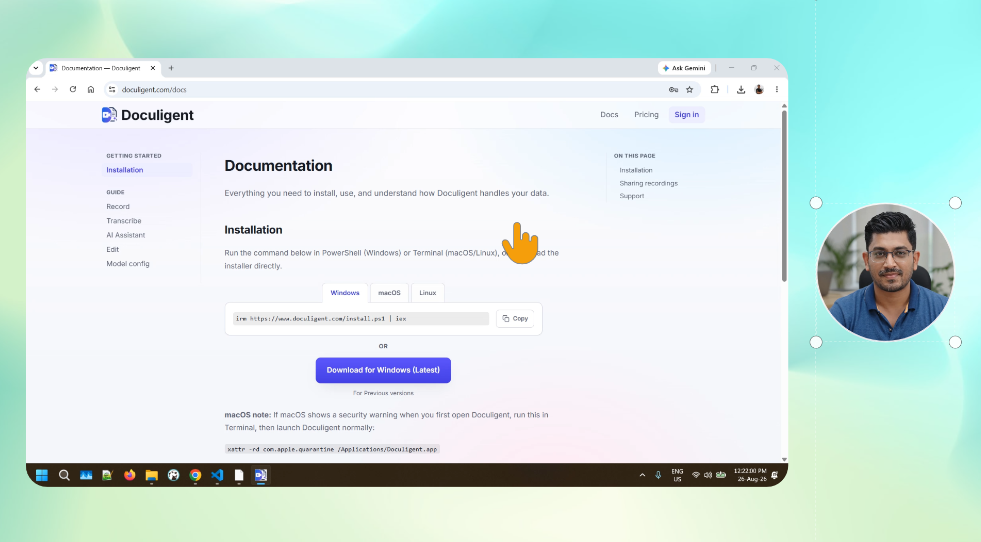
Support Teams Reporting Bugs and Demos
Record your screen with a camera overlay in a single take, at full resolution, and hand off a shareable link.
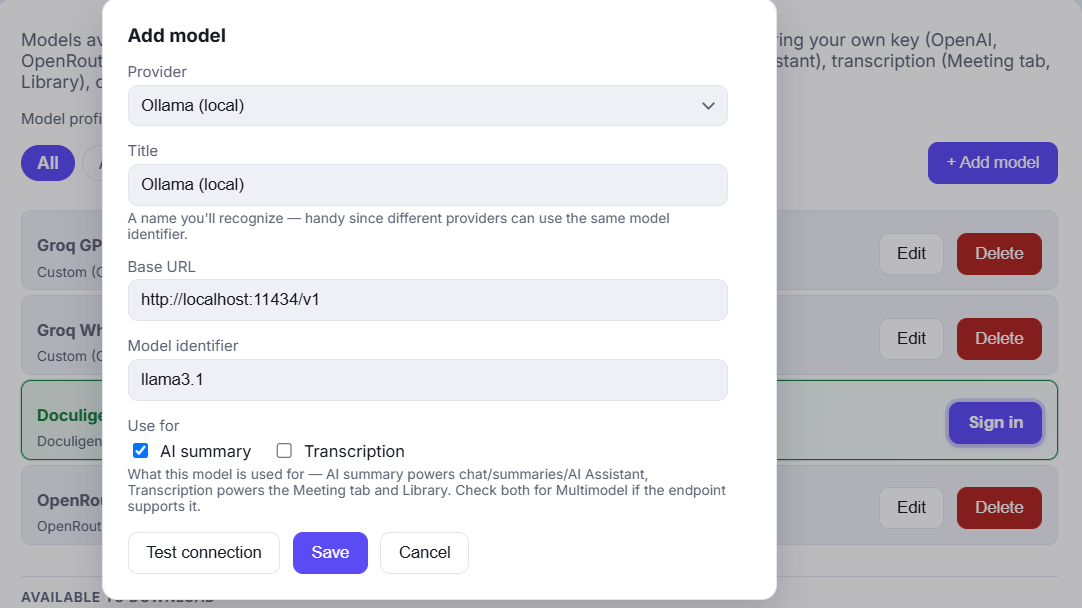
Security-Conscious Teams Controlling Their Own AI Stack
Local LLMs or your own API key — control how the AI layer runs, and keep files and chats on your own device either way.