How One B2B SaaS Founder Used Genuine Influencer Marketing to Reach 10 Paying Customers Organically

No customer database, no audience, and every personal contact already asked. How one founder used niche creators on Amplibee to go from 2 to 10 paying customers — with no ads and no bought engagement.
The short answer: when a founder has no customer database and has already asked everyone they know, the missing piece isn't more outreach — it's new people who already trust someone. Using Amplibee, a B2B SaaS founder briefed one campaign, matched with a handful of niche creators whose followers were exactly her target customers, and turned their genuine posts into warm demo requests. Combined with founding-member pricing, live demos, and referral asks, that took her from 2 paying customers to 10 in about five weeks — with no ads and no bought engagement.
A note on this story: Riya and Swift are an illustrative example based on the first-10-customers playbook we use with founders. The steps, channels, and pricing reflect how the process works on Amplibee; the numbers show a realistic shape, not a guaranteed result.
The starting point: a working product and nobody left to ask
Riya, an indie developer, built Swift — a simple staff-scheduling and shift-swapping tool for small cafés and retail shops. She built it after watching her cousin, who manages a café, juggle shift swaps over WhatsApp every week.
Her first two customers came the way most founders' first customers do — from her personal network. Her cousin's café signed up, and a friend who ran a small bakery joined after a demo. Then she hit the wall almost every early founder hits:
- No customer database. No email list, no CRM, no past clients to upsell.
- No audience. Swift's X and LinkedIn accounts had a few hundred followers, mostly other developers — not café owners.
- Network exhausted. Every friend, ex-coworker, and relative who knew a shop owner had already been asked.
- Cold outreach stalling. She had sent dozens of cold DMs to cafés found on Google Maps and Instagram. A few replied; none converted. Strangers had no reason to trust her yet.
This is the gap between customers 1–3 and customers 4–10. Your network gets you the first few because they trust you. After that, you need people who don't know you yet — and you need a way to borrow trust they already have somewhere else.
Why influencer marketing fit this stage
Café owners don't spend their day in their inbox, and they scroll past ads. But they do follow people: other café owners who share how they run their shops, hospitality consultants on LinkedIn, and small-business creators on Instagram and YouTube. When one of those people says "this fixed our shift-swap mess," it lands like advice from a peer, not a pitch from a stranger.
That was the trust Riya couldn't create on her own. Buying followers or fake reviews wouldn't have helped — café owners don't pay for software because of a follower count, and platforms remove fake engagement anyway (see why fake engagement kills your launch). She needed real people in her niche talking to real café owners.
Step 1: A product profile written like a café owner would say it
Riya started with her product profile. Her first draft read like a pitch deck: "a workforce scheduling platform for SMB hospitality." She rewrote it the way her cousin described it: "Staff swap shifts in the app instead of a 40-message WhatsApp thread, and you approve it with one tap."
She also added the facts every creator should get right: who it's for (independent cafés and shops with 5–15 hourly staff), the founding price, and the one-line origin story.
Step 2: One campaign, one goal
She created a campaign with a single goal: book demos with café and small-shop owners. Not awareness, not sign-ups in general — demos, because her B2B buyers needed to see Swift set up their real schedule before they'd pay.
The campaign brief generator drafted talking points per channel: a short "before and after" angle for Instagram, a story about staff turnover and scheduling chaos for LinkedIn, and a quick walkthrough outline for YouTube. Riya edited them to lead with the problem, not the product — then let each creator put it in their own words.
Step 3: Matching with creators her customers already follow
From the influencer network, the campaign was picked up by six creators whose audiences matched her niche:
- Two café owners on Instagram who post behind-the-scenes content about running their shops.
- A hospitality operations consultant on LinkedIn who writes about staffing for small restaurants and cafés.
- A small-business YouTuber who reviews tools for shop owners.
- Two small-business creators on X who share practical tips for first-time owners.
Together they reached roughly 45,000 followers — small next to a celebrity, but nearly all of them were the exact people Riya was trying to reach. Each creator tried Swift before posting and described it in their own voice. One of the café owners actually set up her own shop's schedule in it first and posted a short video of a staff member swapping a shift in seconds.
Step 4: Reviewing every post and tracking every click
Each creator submitted their post as proof, and Riya reviewed every deliverable before it counted. Every creator had their own tracked campaign link, so she could see exactly where interest came from.
| Stage | Result |
|---|---|
| Creators posting | 6 niche creators across Instagram, LinkedIn, YouTube, and X |
| Combined niche audience | ~45,000 followers |
| Tracked link visits | ~1,200 |
| Demo requests | 31 |
| Demos completed | 22 |
| Paid on founding-member pricing | 8 (bringing Swift from 2 to 10 paying customers) |
The tracked links also showed something Riya wouldn't have guessed: the café owner's short Instagram video and the LinkedIn consultant's post drove most of the demos. She put her next campaign's budget behind those two kinds of creators.
Step 5: The founder work that turned interest into payment
Influencer marketing brought warm, trusting people to the door. Riya still had to close them — and the playbook for that part didn't change:
- Live, personal demos. Every demo was a 15-minute video call where she set up the café's real first-week schedule with them, not a slide deck.
- Charging from day one. She offered a "Founding Café" rate of $19/month for life instead of the planned $49/month, in exchange for a weekly feedback call in the first month and permission to use them as a reference.
- Referral asks at the moment of value. After a café's first successful shift swap in the app, she asked: "Do you know one or two other owners with the same scheduling headache?" Two of the eight new customers came through these intros.
- Following up on every "not now." Every maybe got a reminder three to four weeks later. Several of the demos only turned into payments on the second or third touch.
- Asking churned customers why. When one early café cancelled, a ten-minute call revealed they needed multi-location scheduling. That became Swift's most requested feature from the next wave of prospects.
The creators didn't close deals for me. They did something I couldn't do on my own: they made café owners trust me before we ever spoke. Every demo started warm instead of cold.
Why this growth was organic — and why it lasts
Nothing in this campaign was bought engagement. There were no fake followers, no paid upvotes, no bot reviews. Real creators chose a campaign they believed in, told their real followers about it, and those followers chose to book a demo. That's why none of it can be "purged" later — and why the creators' posts kept bringing in demo requests weeks after they went live.
| Before Amplibee | After one campaign | |
|---|---|---|
| Paying customers | 2 (both from personal network) | 10 |
| Source of new leads | Cold DMs with almost no replies | Warm demo requests from niche creators' followers |
| Trust at first contact | None — a stranger's message | Already recommended by someone they follow |
| Knowing what works | Guesswork | Per-creator tracked results |
| Referral engine | Not started | 2 customers from referrals, more in progress |
How to apply this to your own first 10
- Use your network first. Your first 2–3 customers will almost always come from people who already trust you. Don't skip them.
- When the network runs out, borrow trust — don't fake it. Find creators your exact customers already follow, and brief them on the problem you solve.
- Pick a narrow niche. "Independent cafés with 5–15 hourly staff" is a customer. "Small businesses" is not. Niche creators beat big audiences at this stage.
- Give the campaign one goal. For B2B, that's usually demos. For B2C, it might be sign-ups or a founding-member purchase.
- Keep doing the founder work. Personal demos, a real price from day one, referral asks, and follow-ups are what turn warm interest into paying customers.
- Track every creator. Double down on the ones that drove real customers, not the ones with the biggest follower count.
If you're stuck at two or three customers with nobody left to ask, set up your product profile and brief your first campaign. For the full launch process, see how to run an influencer marketing campaign for your SaaS launch.
Subscribe to Our Newsletter
Get more playbooks like this one on getting your first paying customers, delivered straight to your inbox.
Frequently asked questions
How do I get my first 10 paying users with no customer database?
Start with your personal network for the first 2–3 customers. Once that's exhausted, reach new people through creators your target customers already follow, so your first conversation starts with trust. Then close with personal demos, a founding-member price, referral asks, and consistent follow-ups.
What do I do when I've already asked everyone I know?
Stop relying on cold outreach alone. Strangers rarely buy from a founder they've never heard of. Partnering with niche creators lets you borrow trust their audience already has, so prospects arrive warm instead of cold.
Can influencer marketing work for a B2B SaaS product?
Yes, when the creators are in your buyer's niche. For a café scheduling tool, that means café owners, hospitality consultants, and small-business creators — not general lifestyle influencers. Smaller niche audiences usually convert better than large general ones.
Is this organic growth if the creators are part of a paid campaign?
The engagement is organic: real creators choose campaigns they believe in, post in their own words, and real followers decide whether to act. That's different from buying followers, likes, or reviews, which platforms detect and remove.
How many creators do I need to get my first 10 customers?
It depends on your niche and price, but a small group of well-matched creators is usually enough to start. In this example, six niche creators reaching about 45,000 relevant followers produced enough demos to go from 2 to 10 paying customers.
How do I know which creators actually brought in customers?
On Amplibee, every creator gets a unique tracked link, so you can see visits and outcomes per creator and put more budget behind the ones that drive real customers.
Related Posts

Why Cross-Posting Tools Like Postiz and Hootsuite Aren't Enough to Grow Fast
Schedulers like Postiz and Hootsuite are great at distributing posts to the audience you already have. Fast growth needs new, real audiences — which is where genuine influencer marketing comes in.

Best Screen Recorder Tools: What to Look For in 2026
What makes a screen recorder good in 2026: recording quality, AI transcription, editing, and privacy — plus a checklist before you choose one.
Related Use Cases
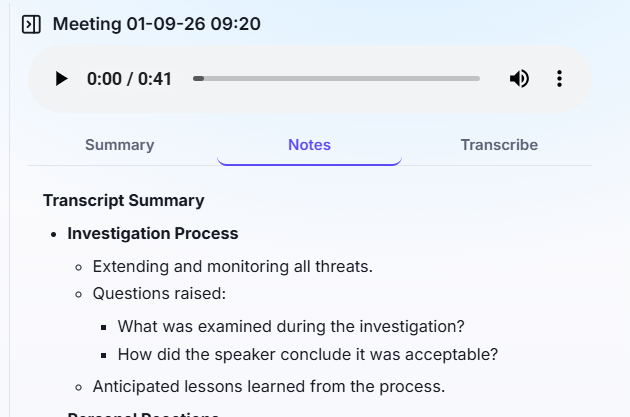
Teams Tired of Writing Meeting Notes
Record a meeting, or drop in a video file, and get a summary and structured notes back automatically — no prompting, no re-watching.
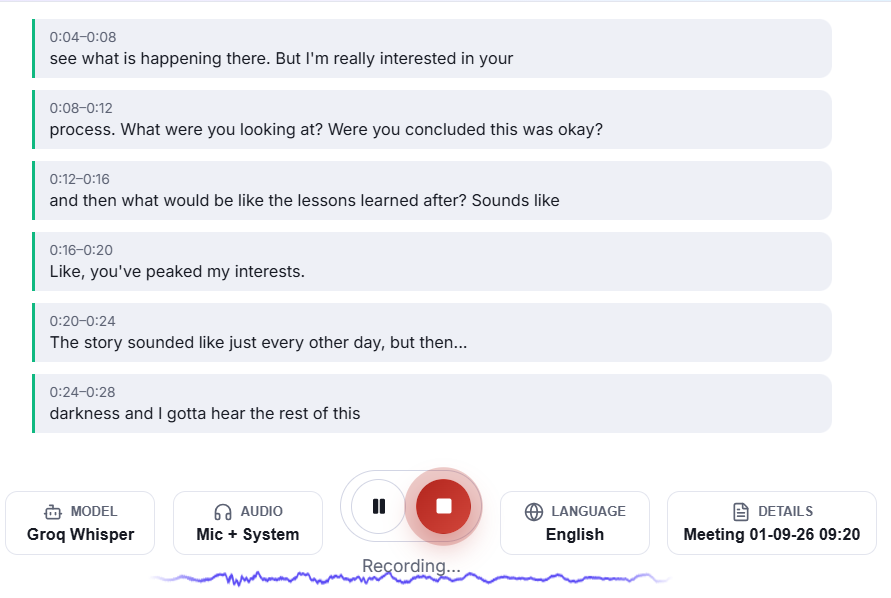
Managers Tracking Meetings They Can't Join
Get a live transcript of a Teams, Zoom, or Google Meet call without sitting in it — read along, or catch up right after.